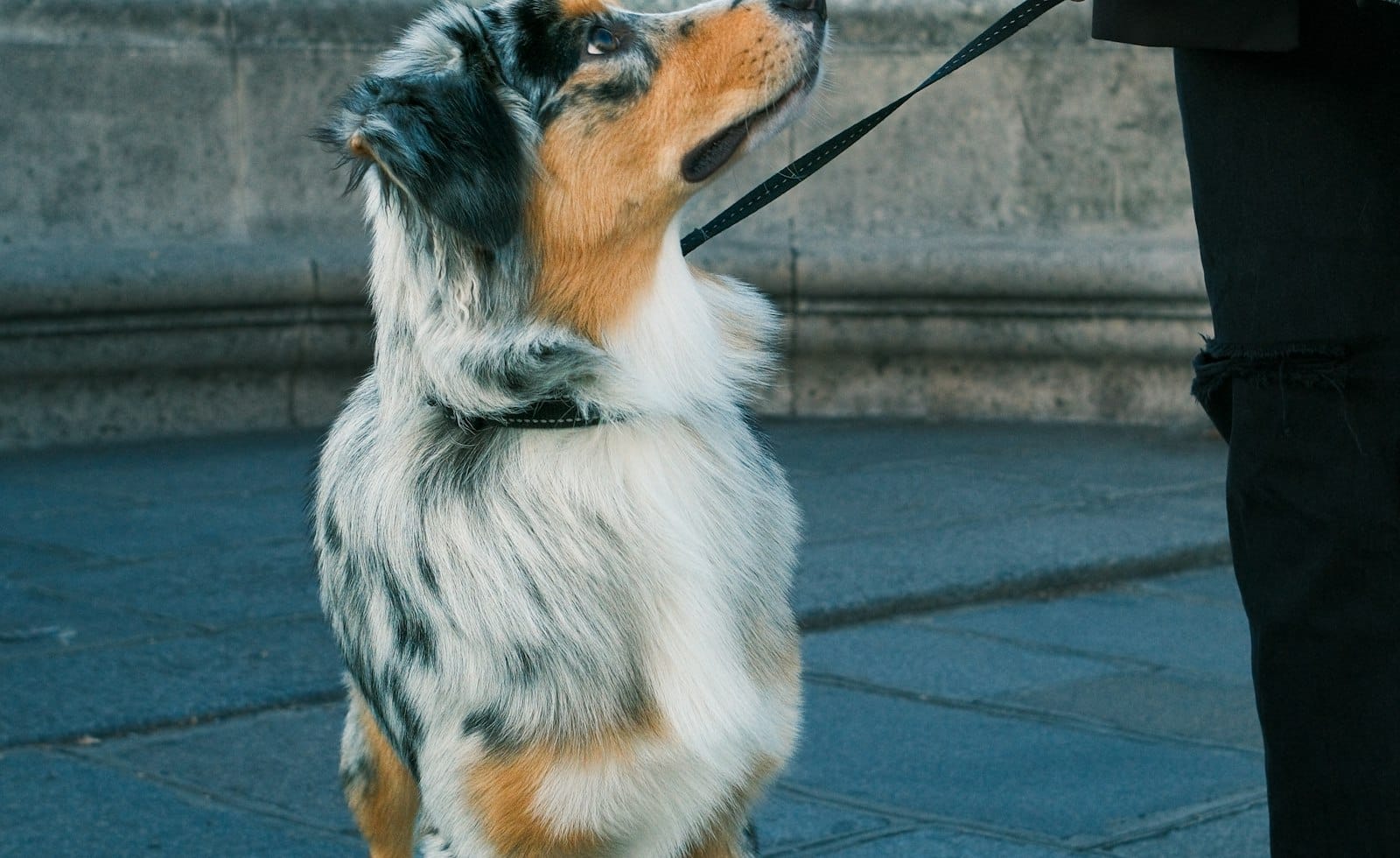
As the clocks go back and the evenings close in, many of us have to walk a dog in the dark before or after work. The simple way to do it safely is to be seen, see where you are going, and keep things predictable. A few small habits and a bit of kit are enough to make dark walks calm and routine.
Start With Being Seen
The first rule for anyone who has to walk a dog in the dark is visibility. Drivers, cyclists and other walkers can only avoid you if they notice you early. The animal charity USPCA advises wearing reflective gear yourself and putting some on your dog too, and that is a good place to start.
- Reflective layers for you: a hi-vis vest or jacket, or reflective strips that clip onto a coat or bag.
- Reflective or light-up gear for your dog: a reflective collar, lead or jacket, or a small flashing light that clips on.
- Light colours: a bright lead is much easier to spot than a black one.
If your dog dislikes wearing a jacket, choose a lightweight collar or lead with reflective stitching instead. The best piece of gear is the one your dog will actually tolerate.
Carry Your Own Light
Seeing the path is just as important as being seen. Uneven pavements, puddles, loose branches and dropped items are all easy to miss after sunset. A head torch is ideal because it keeps both hands free for the lead and for picking up after your dog. A small clip-on light on your lead hand is a good backup.
Check the battery before you leave, and keep a spare light in your coat pocket. Nothing ruins an evening walk like a torch that dies halfway round the block.
Choose Routes You Already Know
Autumn leaves cover kerbs and hide holes, and a new path in the dark can hold surprises. Stick to routes you know well and that have street lighting, pavements or clear surfaces. Save new trails and fields for daylight at the weekend, when you can look around properly.
- Pick a loop that you could walk with your eyes half closed.
- Prefer lit paths and quiet residential streets over unlit lanes.
- Avoid routes along fast roads without a pavement.
- Tell someone at home roughly which way you are going and when you expect to be back.
Keep Your Dog on the Lead
Dogs that are perfectly reliable in the daytime can behave differently when the light fades. Scents, sounds and movement in the dark can be very exciting, and a dog that runs off is far harder to find at night. Keeping your dog on a lead for the whole walk is the simplest way to avoid that stress.
If you do let your dog off the lead, stay in a fenced, familiar and well-lit area and make sure the recall is solid. A small bell on the collar can help you track where your dog is and lets other people know you are nearby. Introduce a bell at home first so it does not worry your dog.
Stay Alert and Skip the Distractions
It is tempting to put in headphones or scroll your phone while the dog sniffs a lamp post. In the dark, that is exactly when you need your ears and eyes. Listen for cyclists, cars and other dogs, and keep your phone for emergencies and a quick light, not for entertainment. A phone with some free storage and a tidy home screen is also much quicker to use when you need it.
If a friend or family member can join you, even better. Two sets of eyes spot hazards faster, and an evening walk is a nice way to catch up. Just make sure the dogs get along if you bring two.
Build a Simple Dark-Walk Routine
The easiest way to make all this stick is to turn it into a routine. Keep your reflective jacket, head torch, spare batteries and lead together by the front door, so you never have to hunt for them in the dark. A small basket or hook is enough.
Add a short, calm cool-down at the end of the walk: wipe muddy paws on a towel, hang up the lead and let your dog settle. Then you can enjoy the rest of the evening in a warm space, perhaps with a few ideas from our post on making your home cozier this autumn, or a bowl of soup made with homemade pumpkin puree.
If you are ever unsure about something concerning your dog, a quick chat with your vet is always a sensible step.
Where to Start Tonight
You do not need to buy everything at once. Tonight, put on something reflective, grab a torch, stick to your usual lit route and keep the lead short. Once those four habits feel natural, add a light-up collar or bell. With a little preparation, it becomes easy to walk a dog in the dark with confidence all autumn and winter.