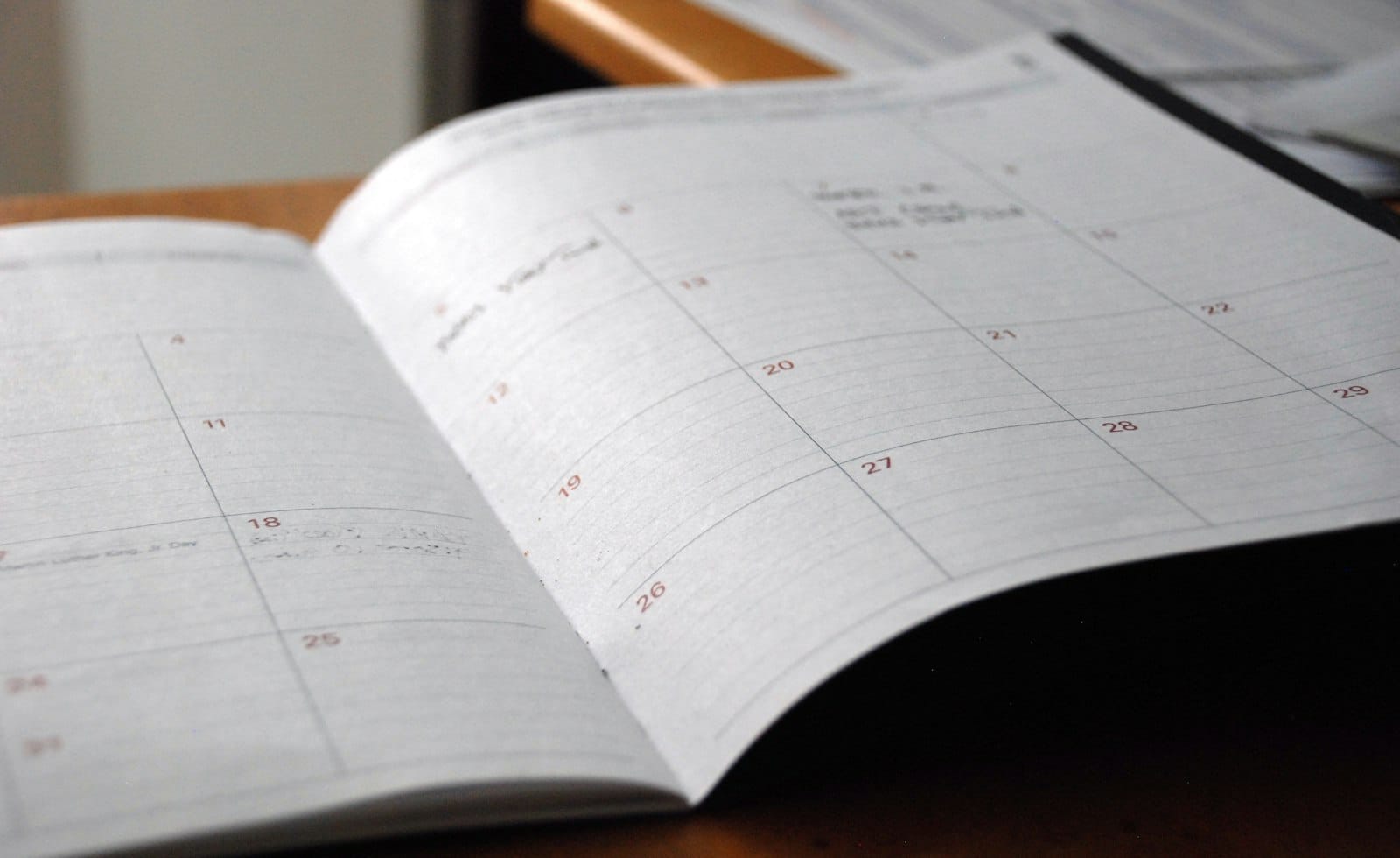
It is mid-October, which means roughly eleven weeks of 2026 remain. Your year-end goals do not need a dramatic reboot: the quickest route is to pick two or three goals that still matter, shrink them into weekly actions and drop the rest without guilt. Here is a simple walkthrough you can finish in one evening.
Start With an Honest Look at Your Year-End Goals
Write down every goal you set in January, plus any you picked up along the way. Next to each one, note where it stands today in a single sentence, such as “half done”, “barely started” or “I stopped caring in May”. This takes ten minutes and gives you a clear picture instead of a vague feeling of being behind.
Do not judge the list yet. The point is to see what is real. Many people discover that a couple of goals quietly finished themselves, while others belong to a version of their life that has since changed.
Sort Goals Into Keep, Shrink and Drop
Now give every goal one of three labels. A goal you still care about and can realistically move forward by December is a keep. A goal you care about but cannot finish in time is a shrink: you cut it down to a smaller piece that fits the remaining weeks. Anything that no longer fits your life is a drop.
- Keep: the goal is still meaningful and a clear finish line exists before 31 December.
- Shrink: run a first draft, a first month or a first stage instead of the whole project.
- Drop: cross it out, and if it matters again, move it to next year’s list.
Dropping a goal is a decision, not a failure. It frees up attention for the goals that deserve it, and this is the step that most people skip.
Make Each Goal Specific and Measurable
A goal such as “get organised” is hard to finish because nobody can tell when it is done. A widely used fix is the SMART method, which asks that a goal be specific, measurable, achievable, relevant and time-bound. A study-skills guide from the University of Auckland lays out the five parts and also reminds readers that it is fine to change direction when circumstances change.
Apply it quickly. “Get organised” becomes “clear and sort the hallway cupboard by 15 November”. “Read more” becomes “finish two books by 20 December”. If you need ideas for the home-related goals, our guide to organizing your home breaks the job into small rooms and routines.
Break the Work Into Weekly Actions
Big goals feel heavy because they are a single lump. An education resource from the University of Chicago Education Lab stresses breaking big goals into small, actionable steps, and that idea works just as well for adults finishing the year. Count the weeks until the end of December and divide the work across them.
- Choose one action per goal per week, and make it small enough to finish in under an hour.
- Put the action in your calendar at a specific time, not just on a to-do list.
- Keep the last week of December empty as a buffer for delays and holiday plans.
If a goal needs ten steps and you have eleven weeks, you already have a workable plan with a little slack built in.
Protect Your Time Before the Holiday Rush
November and December fill up quickly with parties, travel and family events. Look at your calendar now and mark the busiest weeks, then schedule the heavy goal work before them. Anything that needs focus is better done in late October and early November than in the final days of the year.
Also look for time you are already losing. Two evenings a week of scrolling can be traded for a short work session on the goal that matters most. If you tend to put things off, our tips on how to stop procrastinating will help you get started on the first action.
Track Progress Without Overcomplicating It
You do not need an app or a fancy planner. A sheet of paper with your two or three goals and a row of boxes for each week is enough. Tick a box when the weekly action is done, and take two minutes every Sunday to look at the page and set the next week’s action.
When you miss a week, simply carry the action forward or shrink it. The aim is steady movement, not a perfect streak. Seeing the boxes fill up is a surprisingly strong motivator and makes the final push feel lighter.
Where to Start Today
Open a note or grab a pen and run the keep, shrink and drop sort on your list tonight. Then choose the first weekly action for your most important goal and put it in your calendar for this week. Finishing the year with two goals completed will feel far better than carrying ten half-finished ones into January, and your year-end goals will give next year’s plan a head start.