You can draught proof windows yourself in an afternoon: find the gaps, fit a strip of the right size where the sash meets the frame, seal fixed panes with silicone and add heavy curtains for the coldest nights. Autumn is the ideal moment, before the first real cold makes every cold spot obvious.
What does it mean to draught proof windows?
Draught proofing simply means closing the small gaps where cold outside air sneaks in. On a window those gaps sit between the opening sash and the frame, around the edges of fixed panes and sometimes where the frame meets the wall. The idea is to stop unwanted air movement, not to seal your home airtight.
The Energy Saving Trust lists gaps around windows, doors and floors, plus unused chimneys, as the main sources of draughts. Windows are a good first target because the fixes are cheap, quick and easy to undo.
Find the draughts before you buy anything
Spend ten minutes on a breezy day checking each window so you buy the right materials the first time. Close the window fully, then try these simple checks:
- Hold the back of your hand or a thin strip of tissue near the edges and watch for movement or a cold trickle.
- Light a stick of incense or a candle on a still evening and watch whether the smoke or flame bends toward the frame.
- Close the window on a slip of paper. If it slides out with no resistance, the seal is loose at that spot.
- Look for daylight showing through the frame, cracked sealant or flaking old strips.
Make a quick note of each window and the type of gap, because the best fix depends on what you find.
Choose the right strip for each gap
For openable windows, the Energy Saving Trust describes filling the gap between window and frame with a strip. Self-adhesive foam is cheap and easy to fit but may not last, while metal or plastic strips with brushes or wipers last longer and cost a little more.
Size matters more than most people expect. A strip that is too thick gets crushed and can stop the window closing properly, while one that is too thin leaves the gap open. Measure the gap in a few places before you buy, and take a short offcut to the shop if you can.
- Casement windows: self-adhesive foam or rubber strips along the frame edges.
- Sliding sash windows: brush strips are the usual choice, and a professional is worth considering if the sashes are old or fragile.
- Fixed panes: a thin bead of silicone sealant where the glass or frame meets the surround.
A simple step-by-step fitting routine
- Clean the frame with a damp cloth and let it dry fully, because adhesive will not stick to dust or damp.
- Measure the length of each side and cut the strip slightly long, then trim it to fit.
- Peel back a short section of the backing and press the strip firmly in place, working along the frame.
- Close the window and check it still shuts without force. If it feels tight, the strip is too thick.
- Repeat the paper test and the tissue test to confirm the draught has gone.
Take your time on corners, since that is where gaps usually reappear. If a strip peels later, simply replace it, as these fixes are meant to be refreshed every few seasons.
Do not forget curtains and doors
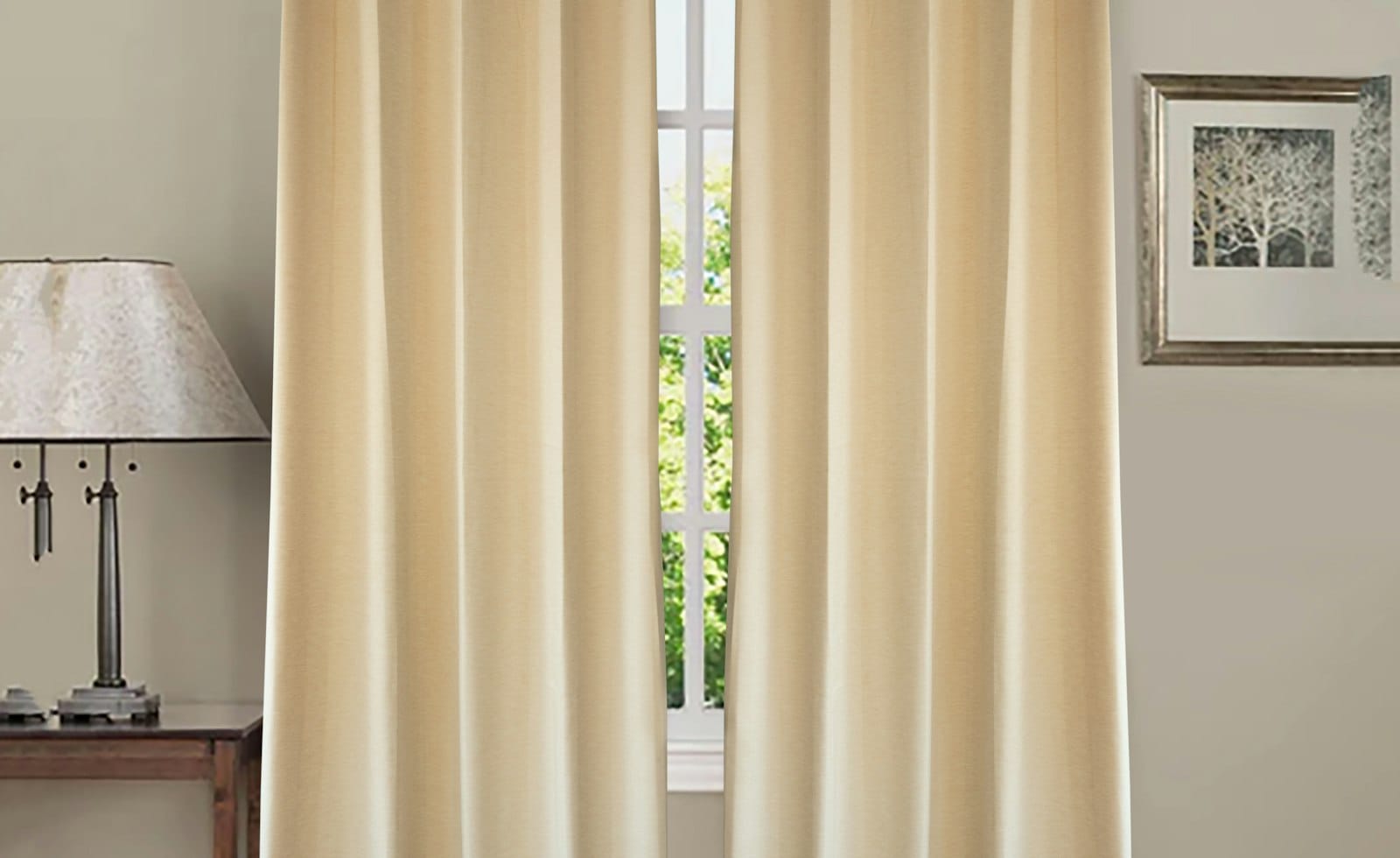
Even a well-sealed window loses some warmth through the glass. Oxfordshire County Council suggests that heavy curtains can help reduce warm air escaping through poorly sealed windows in winter. Draw them at dusk and open them in the morning to let daylight in.
Your windows are only part of the picture. The same gap-hunting approach works on letterboxes, keyholes and the bottom edge of outside doors, where a brush or flap excluder does the job. Keeping internal doors closed also helps stop cold air spreading into the rest of the house.
If you like making the home feel snug as the evenings darken, pair your new seals with the ideas in small changes that make your home cozier this autumn.
Keep some fresh air flowing
Draught proofing should never block the ventilation your home needs. The council guidance notes that problems occur when there is too much or too little ventilation, so the goal is to stop unwanted air movement, not all airflow.
Leave deliberate vents, extractor fans and trickle vents open, and be extra careful near chimneys or any fuel-burning appliance, which need air to work safely. If you are unsure, ask a qualified professional before sealing anything near them. Opening a window briefly each day is a simple way to keep air fresh.
Frequently asked questions
How long does it take to draught proof a window?
Most standard windows take about 15 to 30 minutes once you have the strips, including cleaning and trimming. Plan a bit longer for old sash windows.
Do I need a professional?
Foam and rubber strips and sealant are suitable for most DIY jobs. Call a professional for fragile sash windows, rotten frames or anywhere near flues and fuel-burning appliances.
When should I do it?
Early autumn is best, while it is still dry enough for adhesive and sealant to cure properly. Pair it with your other seasonal jobs, such as a winter tyre change and planting spring bulbs.
Your next step
Pick the draughtiest room, run the tissue test on its windows and fit one strip this weekend. Once you feel the difference, the other rooms will follow quickly, and you will head into winter with a calmer, cosier home.