
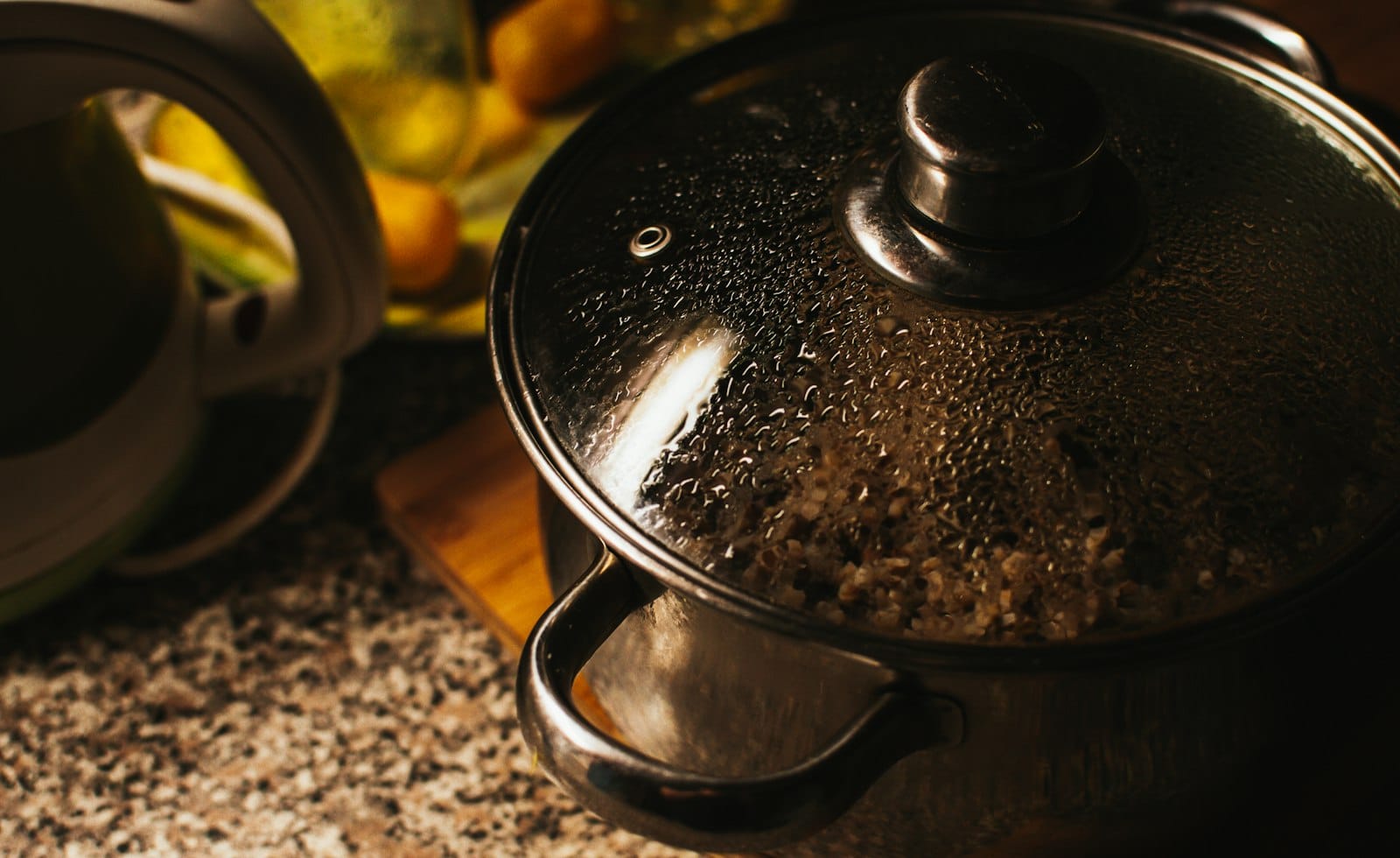
The best slow cooker tips come down to four habits: fill the pot to the right level, keep the lid on, layer the ingredients in the right order and add delicate foods late. Get those right and a pot of stew, chilli or soup can look after itself while you get on with your day.
Autumn is when most of us dust off the slow cooker, and it is easy to be disappointed by watery sauces, mushy vegetables or meat that never quite finishes. The cause is rarely the recipe. It is usually one of the small details below.
Fill the Pot to the Right Level
A slow cooker works best when it is between half and about three-quarters full. University extension guidance from the University of Missouri explains that an overfilled pot heats unevenly, while a pot that is too empty can overcook its contents.
If your recipe is small, use a smaller cooker or double it and freeze half of the finished dish. If it is too large, remove a few ingredients rather than squeezing everything in.
Keep the Lid On and Resist Peeking
Every time you lift the lid, heat escapes and the pot needs a good while to recover. The same Missouri guidance says each peek can add roughly 20 minutes to the cooking time, so stir only when a recipe asks for it and put the lid straight back on.
If you simply want to see what is happening, twist the lid slightly to shake off the condensation and look through the glass instead.
Layer Ingredients in the Right Order
Heat comes mainly from the bottom and sides, so the order matters. Dense root vegetables such as potatoes and carrots take longest, which means they belong at the bottom or around the edges. Cut them into fairly small, even pieces so they cook at the same pace as the rest.
- Put hard root vegetables at the bottom and sides of the pot.
- Place the meat on top of the vegetables.
- Add the liquid last, pouring it over everything.
- Keep pieces a similar size so they finish together.
Browning meat in a pan first is optional, but it adds colour and a deeper flavour to a finished dish, and it is worth the extra five minutes when you have them.
Use Less Liquid Than You Expect
A slow cooker traps steam, so very little liquid evaporates. Montana State University Extension suggests using about half the liquid a conventional recipe calls for, because you can always add more later. Soups are the exception, and dried beans need enough water to cover them well.
Too much liquid is the most common reason for a thin, watery sauce. If the dish is still runny at the end, take the lid off for the last half hour on high or stir in a little thickener.
Add Delicate Ingredients at the End
Long cooking is kind to tough ingredients and unkind to delicate ones. Save the following for the final stretch so they keep their texture and flavour:
- Milk, cream, cheese and sour cream, about an hour before serving
- Pasta, or cook it separately and stir it in
- Quick-cooking vegetables such as courgette, mushrooms and peas
- Fresh herbs, ground spices and hot sauce, which fade or turn bitter over many hours
This small change makes a big difference to the final taste, and it costs you nothing but a quick stir at the right moment.
Know Your Heat Settings and Timing
As a rule of thumb, one hour on high is roughly equal to two hours on low. That makes it easy to adjust when dinner needs to be ready earlier or later than planned. Convert an oven recipe by looking at its cooking time: a dish that takes 15 to 30 minutes in the oven usually needs 4 to 6 hours on low or about 1.5 to 2 hours on high.
Use thawed ingredients wherever possible, and follow the manufacturer instructions for your own model, because cookers vary in how hot they run.
Plan Ahead and Make It Part of Your Routine
The slow cooker is at its best on busy days, so prepare the ingredients the evening before and keep them chilled in the fridge. In the morning, tip them in, switch it on and walk away. If you like cooking for a crowd, a pot of chilli or stew is a great centrepiece, and our simple potluck dinner playbook shows how to build a relaxed evening around it.
Leftover seasonal vegetables are welcome too. If you have been roasting squash, our guide to homemade pumpkin puree shows how to prepare a batch you can stir into soups and stews.
One last habit is worth building: when the meal is done, do not leave leftovers sitting in the pot to cool. Spoon them into a clean container and put them in the fridge promptly, rather than reheating food in the cooker itself.
Where to Start
You do not need to change everything at once. Next time you cook, aim for a pot that is half to three-quarters full, keep the lid closed and add the dairy and fresh herbs at the end. Those three changes alone will improve most recipes, and the rest will become second nature after a few meals.