
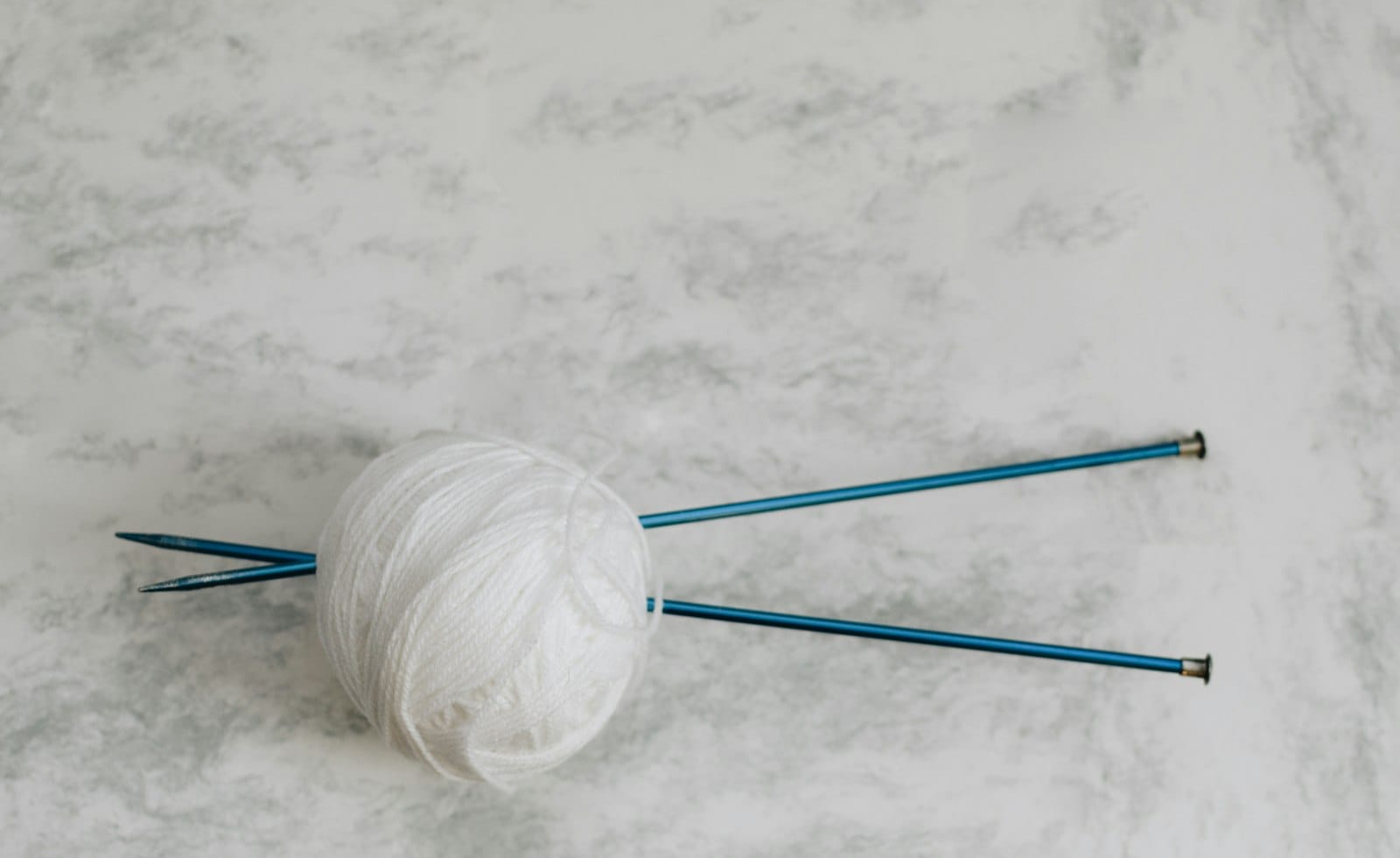
Want to start a new hobby this winter? The trick is not finding the perfect activity. It is making the first month so small and easy that you keep showing up. Most hobbies fizzle out because they begin with big plans, expensive gear and no routine, so this guide flips that around.
Why most new hobbies fizzle out
A new hobby usually dies for boring reasons rather than a lack of interest. The first session takes too much setup, the results look clumsy, and life gets busy before a habit has formed. Add the dark evenings of November and it is easy to put the project off until spring.
Knowing this helps, because every one of these problems can be designed away. You can shrink the setup, lower the bar for what counts as a good session and attach the hobby to something you already do each day.
Pick a hobby that fits your real evenings
Before you buy anything, look at the time you actually have. Be honest about whether you have twenty minutes on weeknights or one longer slot at the weekend, and whether you want to be alone or with other people. A hobby that matches your real week has a far better chance than one that matches your ideal week.
- Short and portable: knitting, sketching, journaling, learning a few chords or practising calligraphy.
- Longer and hands-on: baking bread, woodworking, model building or home brewing projects.
- Outdoors even in winter: bird watching, photography walks or planning next year’s vegetable beds.
- Social: a book club, a board game night or a local craft group.
If you cannot decide, borrow before you buy. Ask a friend to lend you their needles, library cards give you free books on almost any craft, and many community centres run cheap taster sessions.
Make the first session tiny
The easiest way to start a new hobby is to plan a session so small it feels almost silly. Ten minutes is enough. Set out your materials the night before, open the video lesson or the book to the right page and make the first goal simply to begin.
A tiny start removes the biggest barrier, which is the feeling that you need a free afternoon and a clear head. Once you are ten minutes in, you will often carry on naturally. If you do not, you still kept the habit alive, and that matters more than the output.
Attach it to something you already do
Habits grow best when they hang off an existing routine. Decide on a specific cue, such as right after the dishes, while the kettle boils or straight after you put the kids to bed. Write it down in one sentence: after I do X, I will spend ten minutes on my hobby.
Research from University College London on habit formation found that the time it takes varies, with an average of 66 days for people whose data fitted the researchers’ model. You can read the details in the UCL summary of the habit study. The takeaway is patience: expect a couple of months before a new hobby feels automatic rather than forced.
Keep gear and goals simple
Cheap starter kits are fine. Buy the minimum, learn what you enjoy and upgrade later when you know which tools you actually miss. Spending a lot up front can create pressure to justify the purchase, which kills the fun.
Set goals you control, such as sessions per week, rather than results you cannot guarantee. A target like “practise three evenings a week” is much kinder than “play a full song by Christmas”. If you enjoy setting bigger aims, pair this with a simple plan like the one in our guide to rescuing your year-end goals.
What to do when you miss a few days
You will miss sessions, and that is normal. The same UCL study reported that missing a single opportunity did not significantly affect habit formation, although being very inconsistent did get in the way. So the rule is simple: never skip twice in a row. If Monday goes wrong, make Tuesday a five-minute session and carry on.
It also helps to keep a visible streak, such as ticks on a wall calendar. If you tend to delay starting at all, the ideas in how to stop procrastinating and get things done pair nicely with a new creative habit.
Frequently asked questions
How long should I try a new hobby before deciding it is not for me?
Give it at least four to six short sessions across a few weeks. The first attempts are usually the clumsiest, so judging a hobby by session one is unfair.
Is it okay to try several hobbies at once?
Yes, as long as each one stays light. Rotating two small hobbies can keep things fresh, but start with one if your time is tight.
What if I am not good at it?
Almost everyone is awkward at the start. Focus on enjoying the process and noticing small improvements, and compare yourself only with your own earlier sessions.
Where to start this week
Choose one hobby, pick one daily cue and book your first ten-minute session for tomorrow. If you like growing things, you could even look at our tips on how to plant spring bulbs in autumn as a gentle seasonal project. Keep it small, keep it regular and let the habit do the heavy lifting.